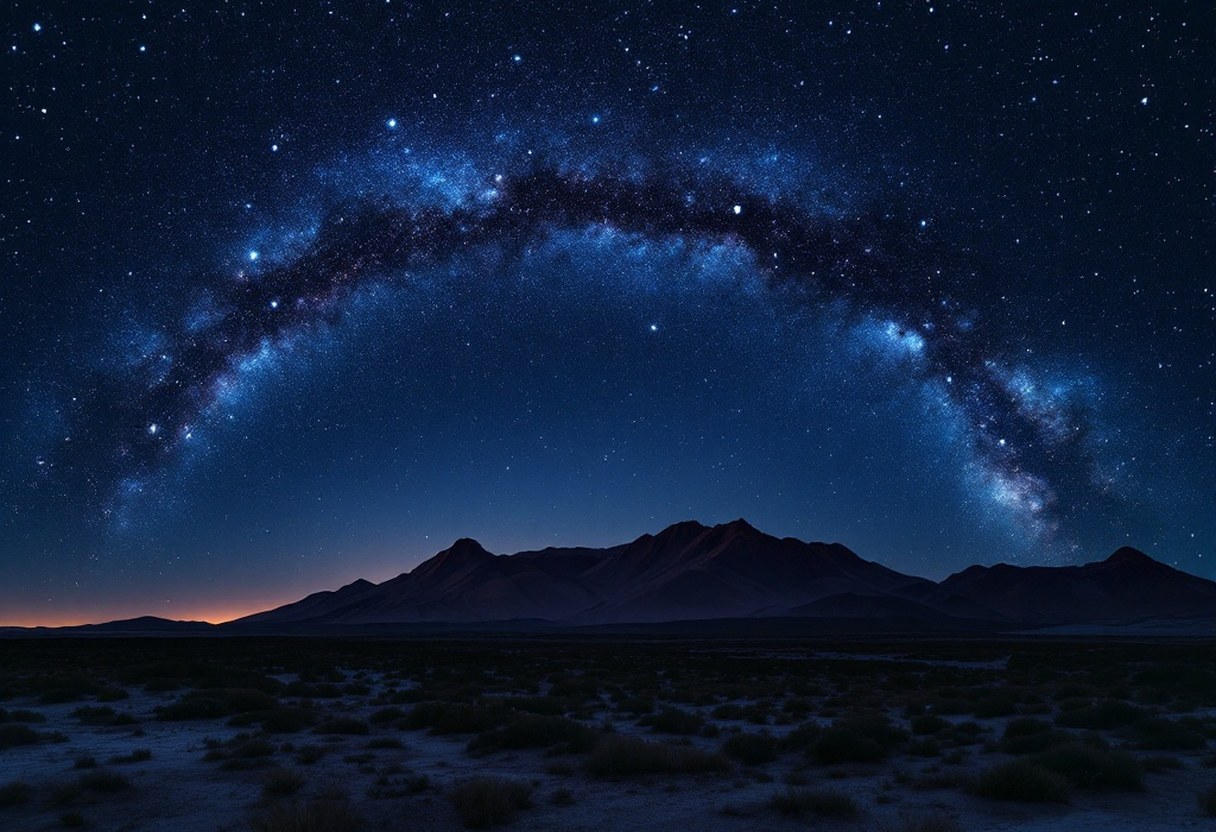
The World's Best Natural Observatories for Stargazing
Light pollution has stolen the night sky from most of us. But a handful of places on Earth still offer darkness so pure you can watch the Milky Way arc overhead with the naked eye. Here are five destinations that every serious stargazer should have on their list.
13,800ftMauna Kea elevation
13observatories on Mauna Kea
1,000kmAtacama plateau length
The Five Destinations
- Mauna Kea, Hawaii — Sitting nearly 13,800 feet above sea level on an inactive volcano, this is the undisputed heavyweight of natural observatories. Thirteen observatories from eleven countries cluster its summit. The Visitor Information Station offers publicly funded telescopes — and knowledgeable volunteers to help you use them. It's also the only spot in the US where you can observe the full Southern Cross.
- Sagarmatha National Park, Nepal — A UNESCO World Heritage Site at the foot of Everest, this high-altitude park delivers one of the most dramatic skyscapes imaginable: the Milky Way rising directly above the Himalayan ridgeline. Staying overnight is strongly recommended.
- Trysil, Norway — Best known for skiing, Trysil also boasts some of Scandinavia's clearest skies. Come winter, the darkness and low humidity combine to make it a prime Northern Lights viewing spot.
- Easter Island, Chile — History and astronomy collide here. The ancient Rapa Nui people navigated vast stretches of the Pacific using star knowledge — a legacy you can explore through local stargazing tours, all framed by those iconic stone figures on the horizon.
- Atacama Desert, Chile — A thousand-kilometre plateau far from any city glow, with bone-dry air and high altitude year-round. Home to the ALMA Observatory, one of the most powerful astronomical arrays ever built. Astro-tours here cater to everyone from casual visitors to dedicated observers.
No telescope? No problem. Mauna Kea and the Atacama both offer guided public sessions — you just need clear skies and a willingness to look up.
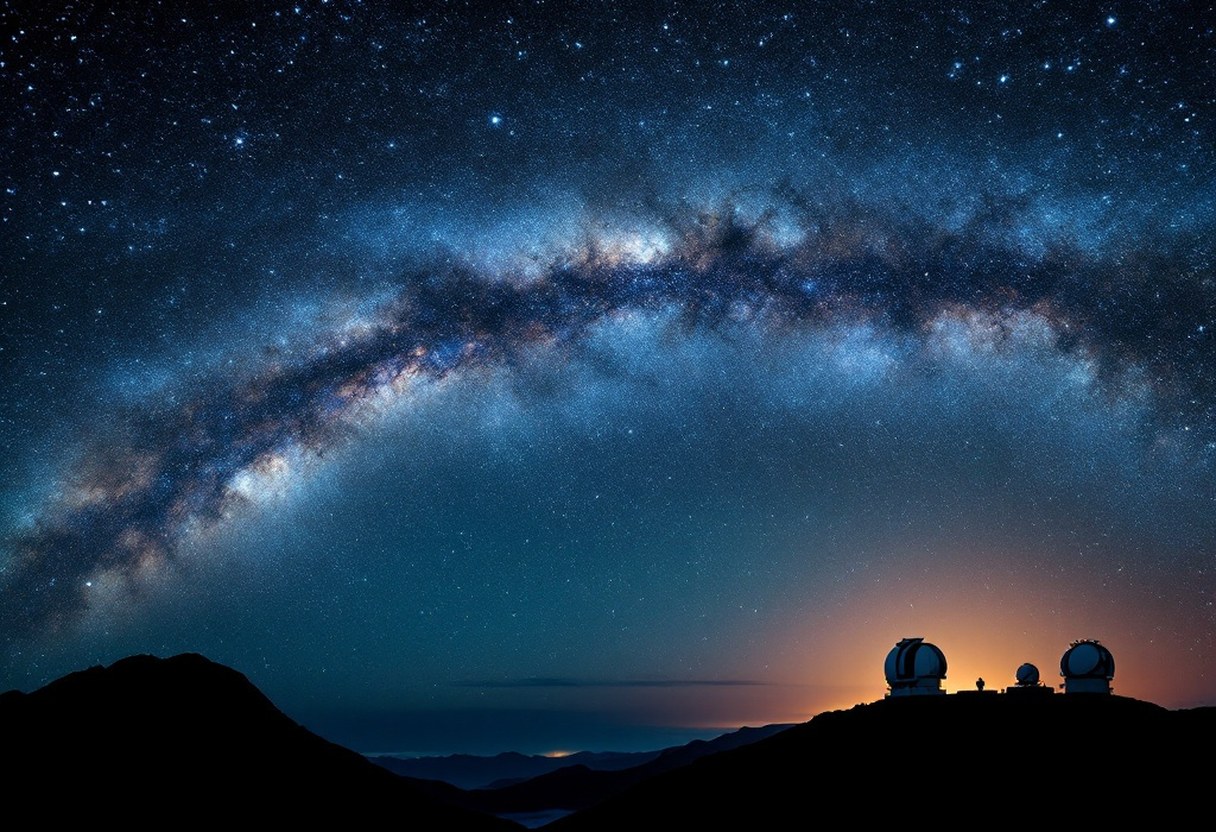
Each of these destinations protects its darkness deliberately. Visit any one of them and the night sky stops being a background detail — it becomes the whole show.