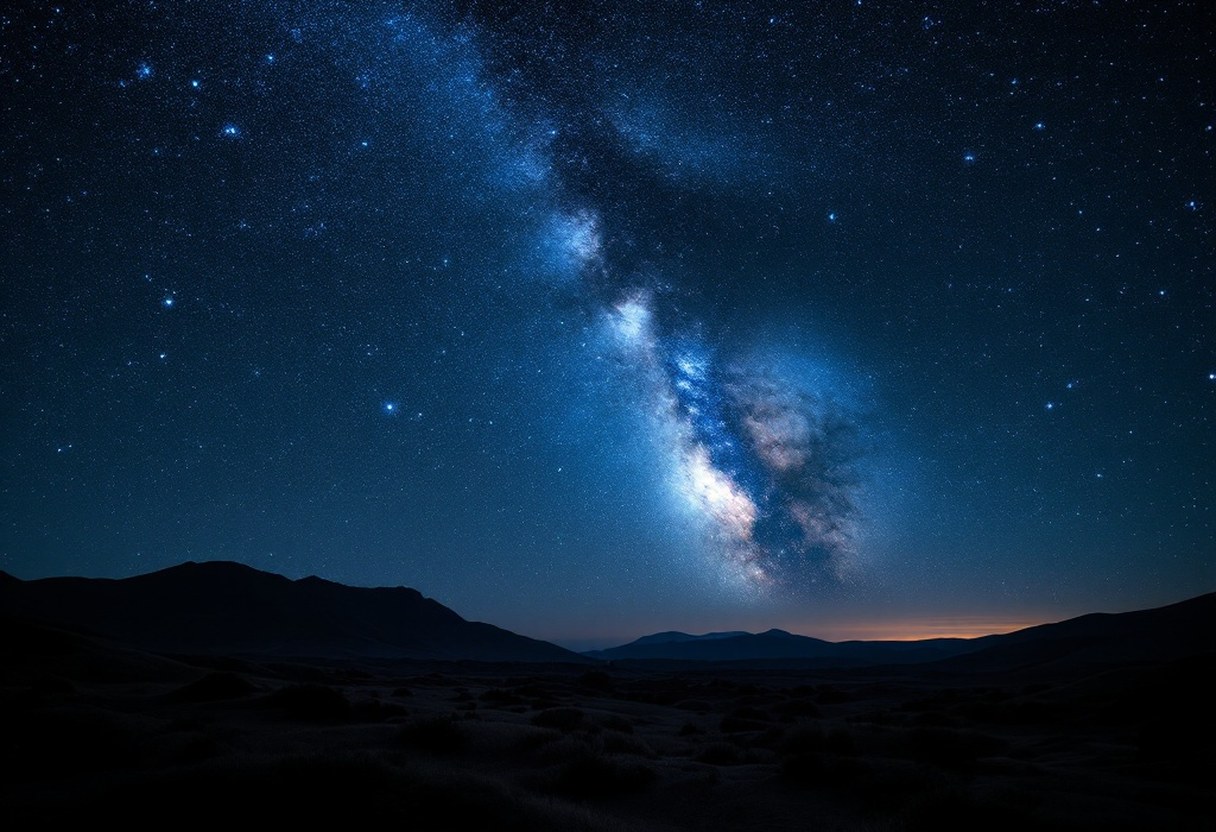
Build a Galactic Photo Album Worth Staring At
Astrophotography is one of the most rewarding corners of amateur astronomy — and nowhere does it shine brighter than when you turn the lens on the Milky Way. A truly compelling galactic photo album isn't just a collection of pretty shots; it's a diverse portfolio of angles, exposures, and subjects that shows our galaxy in all its complexity.
Gear, Location, and Light
Great galactic images start well before you touch the shutter. You'll need a capable mirrorless or DSLR body, a fast wide-angle lens, a sturdy tripod, and a reliable sky-map app to frame your composition. Post-processing software rounds out the kit — noise reduction and careful color grading are what separate a muddy grey smear from a jaw-dropping core shot.
Location matters just as much as gear. Seek out dark skies well away from city glow — remote national parks and wilderness areas are ideal. Light pollution is the single biggest enemy of Milky Way photography, and no amount of post-processing fully compensates for it.
Shooting for Diversity
Variety is what elevates a photo album from a slideshow into a story. Try these approaches:
- Multiple angles — shoot the galactic core low on the horizon, then directly overhead; the perspective shift is dramatic.
- Foreground anchoring — silhouetted trees, rock formations, or a lone tent give the vastness of the Milky Way a human sense of scale.
- Exposure experiments — bracket your exposures and blend them in post to retain both star detail and foreground texture.
- Focus precision — fine-tune the focus ring against a bright star before each session; even a hair of softness wrecks the fine star details.
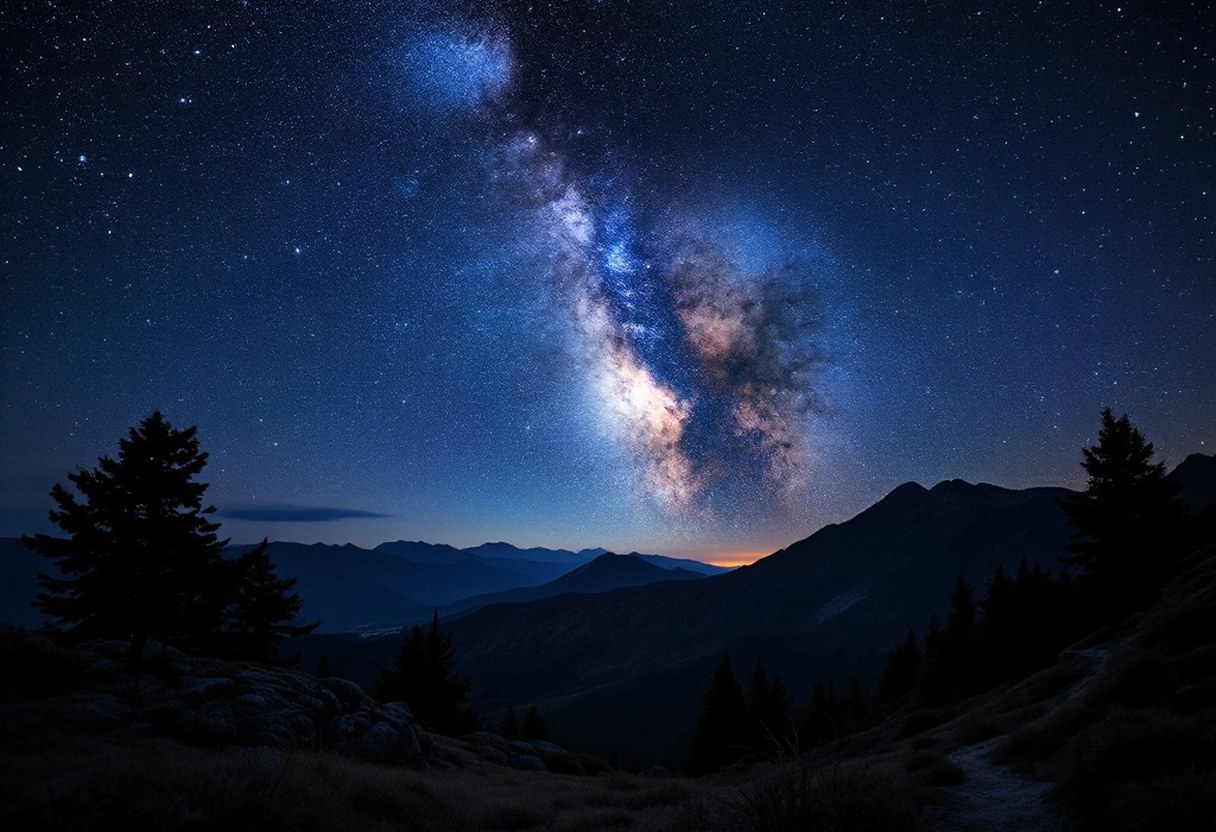
Push saturation and luminance carefully in post — the goal is vibrant but believable. Overly processed images lose the sense of wonder that drew you outside in the first place. Keep it honest, keep it varied, and your galactic album will speak for itself.