What Galaxy Zoo Taught Us About Galaxies
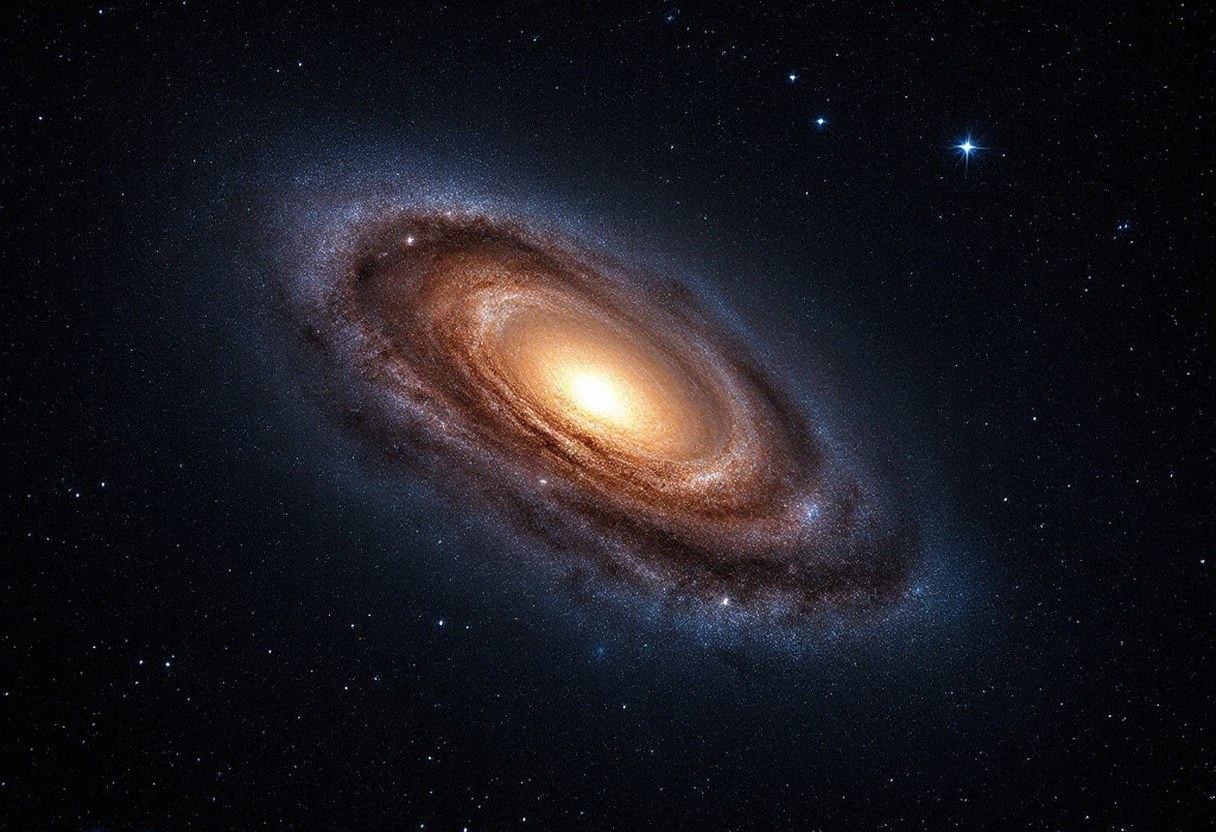
Galaxy Zoo is one of the most successful citizen-science projects ever launched. Volunteers from around the world pool their observations to classify enormous numbers of galaxies — those sweeping gravitational systems of stars, gas, and dust that make up the large-scale structure of the universe. The sheer scale of collective human attention has surfaced some genuinely strange discoveries.
Three Discoveries That Rewrote the Textbook
Blue Ellipticals
The old model was clean: blue spiral galaxies bristle with young, hot stars; red ellipticals are retired, star-formation finished. Galaxy Zoo shattered that picture. Volunteers kept flagging elliptical-shaped galaxies that were unmistakably blue — meaning star formation was still happening inside a shape it had no business inhabiting. The leading explanation involves galaxy mergers: a colossal collision reshapes a spiral into an elliptical while a central black hole eventually chokes off new star formation. That process is directly relevant to our own cosmic future — the Milky Way is on a collision course with the Andromeda Galaxy, and the merger is expected to produce a giant elliptical billions of years from now.
Red Spirals
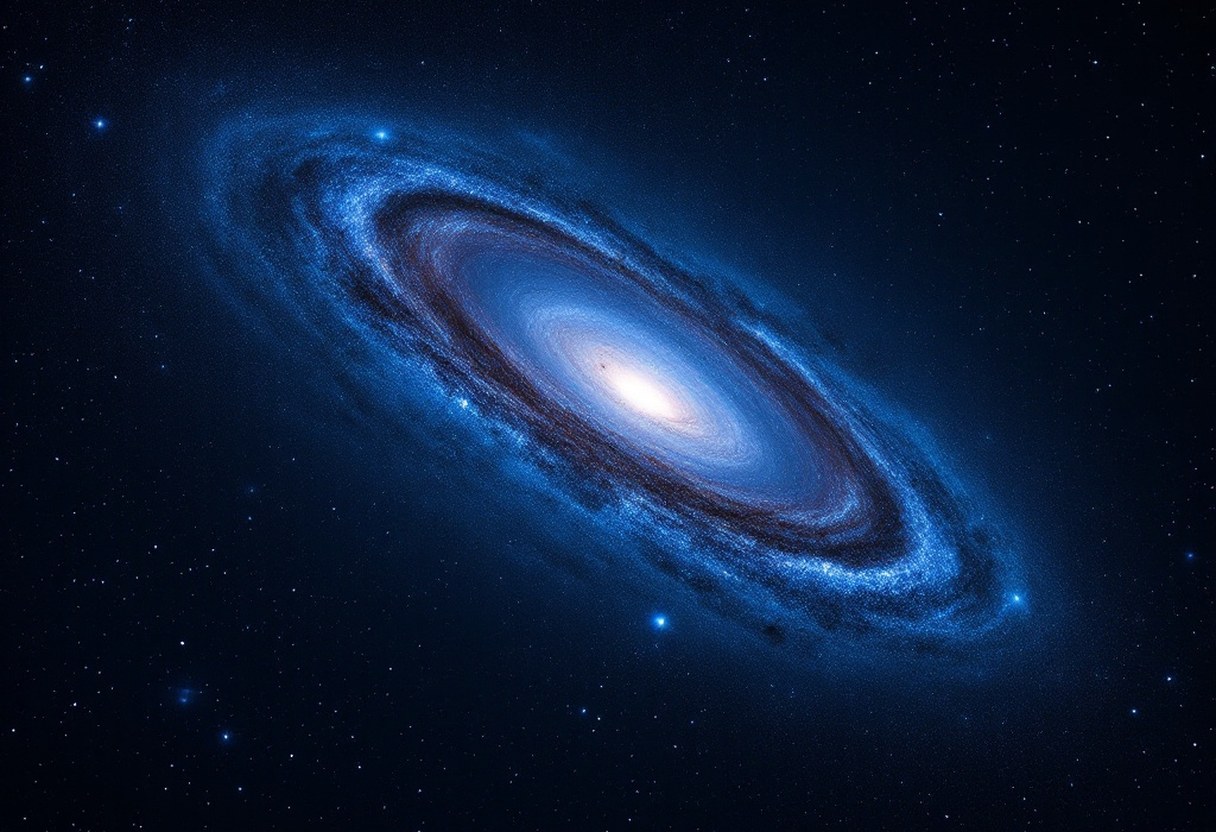
Before Galaxy Zoo, a red galaxy meant an elliptical — full stop. Volunteers kept submitting red objects with clear spiral structure, and astronomers kept doubting them. The data won. Red spirals are real, they are a distinct population, and crucially they do not transform into ellipticals: they retain their shape while their star formation winds down through other mechanisms. It is a new evolutionary pathway that classical galaxy theory simply did not account for.
Green Peas
Citizen scientists — not professional astronomers — spotted these. Green Peas are tiny, intensely compact galaxies glowing an unusual bright green, visible only through powerful telescopes. Volunteers noticed them hiding in the data and flagged them persistently enough that researchers took a serious look. They turned out to be a genuinely novel class of object and are now an active area of research into how small, low-mass galaxies evolve.